a world-renowned non-dairy creamer supplier-Heng Goodwill

ABOUT US

Zhenjiang Heng Goodwill Food Co.,Ltd

View details >>

Heng Goodwill ,A world-renowned non-dairy creamer supplier

Zhenjiang Heng Goodwill Food Co., Ltd. is an industrial and trade enterprise that produces 80,000 tons of "non-dairy creamer" annually, integrating product research and development, production and sales. The company works closely with Jiangnan University, and has established a complete scientific managem···

20 years

Founded in 2005

100 +

Number of employees

30 +

Coverage country

PRODUCTS

Heng Goodwill ,A world-renowned non-dairy creamer supplier

HOT PRODUCTS

Topping base

After spray drying process of stirring topping base, can mee···
View details >>

Freeze-dried coffee

Freeze-dried coffee slices retain the original flavor of cof···
View details >>

Sweetener APM Plus 200 times

Feature:1,fresh and pure sweet taste2,no bitterness or metal···
View details >>

Beta-carotene powder

Carotene content: 1%-10%pH range:3.0-10.0Feature:1,pure plan···
View details >>

Jelly powder

The jelly looks glittering and translucent, the color is bri···
View details >>

Natural clouding agent powder

The function of natural clouding agent is to make the transp···
View details >>

Milk falvor powder

Milk flavor powder is a series of flavor improves ···
View details >>

Orange sac/orange pulp

Citrus granules can be inhaled, and the pulp can be seen, al···
View details >>

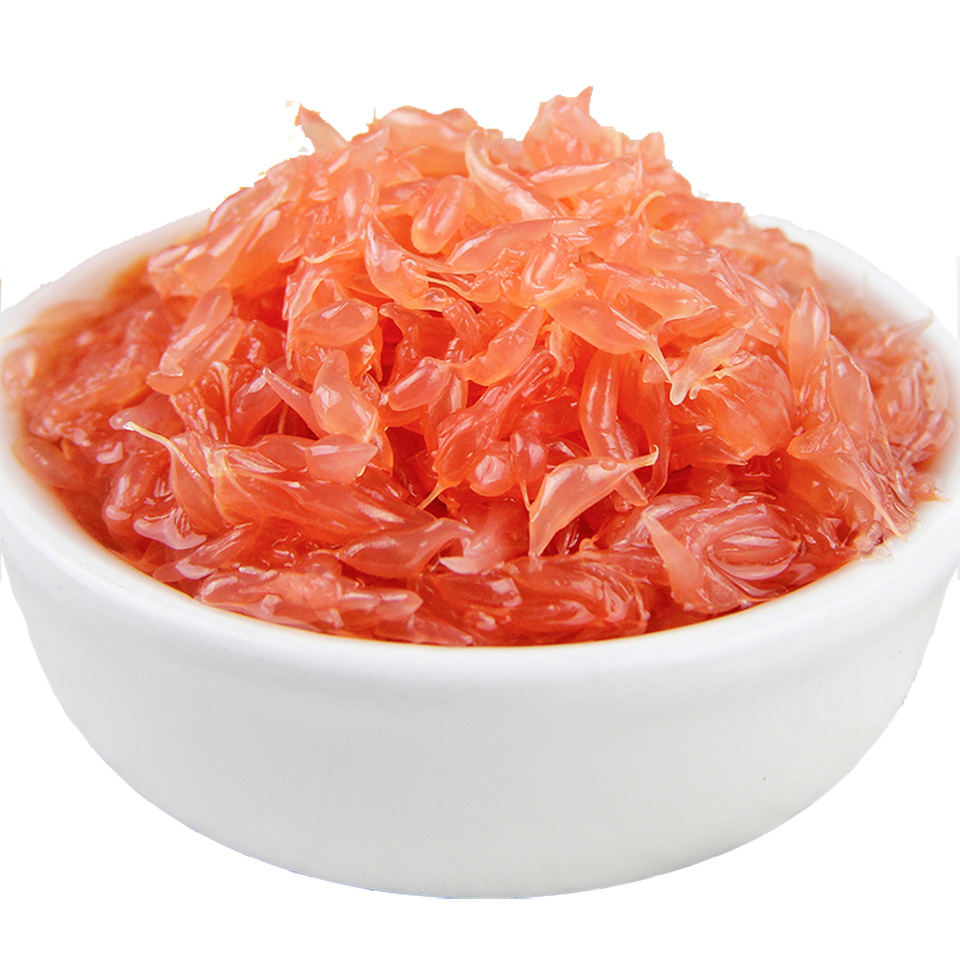
Pomelo sac/pomelo pulp

The soul ornament of sweet dew of poplar branch can be paire···
View details >>

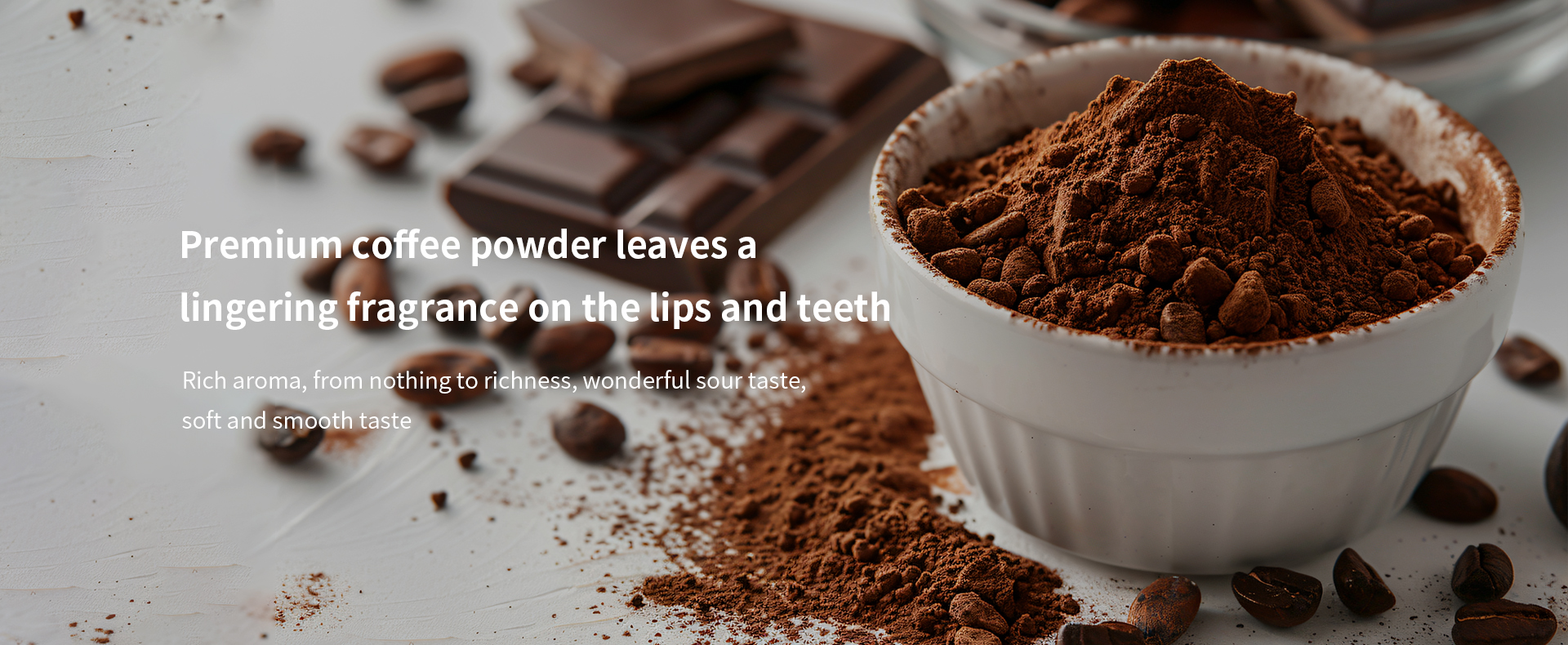
Instant coffee powder

The world's coffee beans are divided into two main varie···
View details >>

Cocoa reddish color

Cocoa reddish color is a natural food pigment, solule in wat···
View details >>

Egg yolk powder/ Egg white powder/ Whole egg powder

Egg powder is made from fresh eggs after cleaning, cracking,···
View details >>

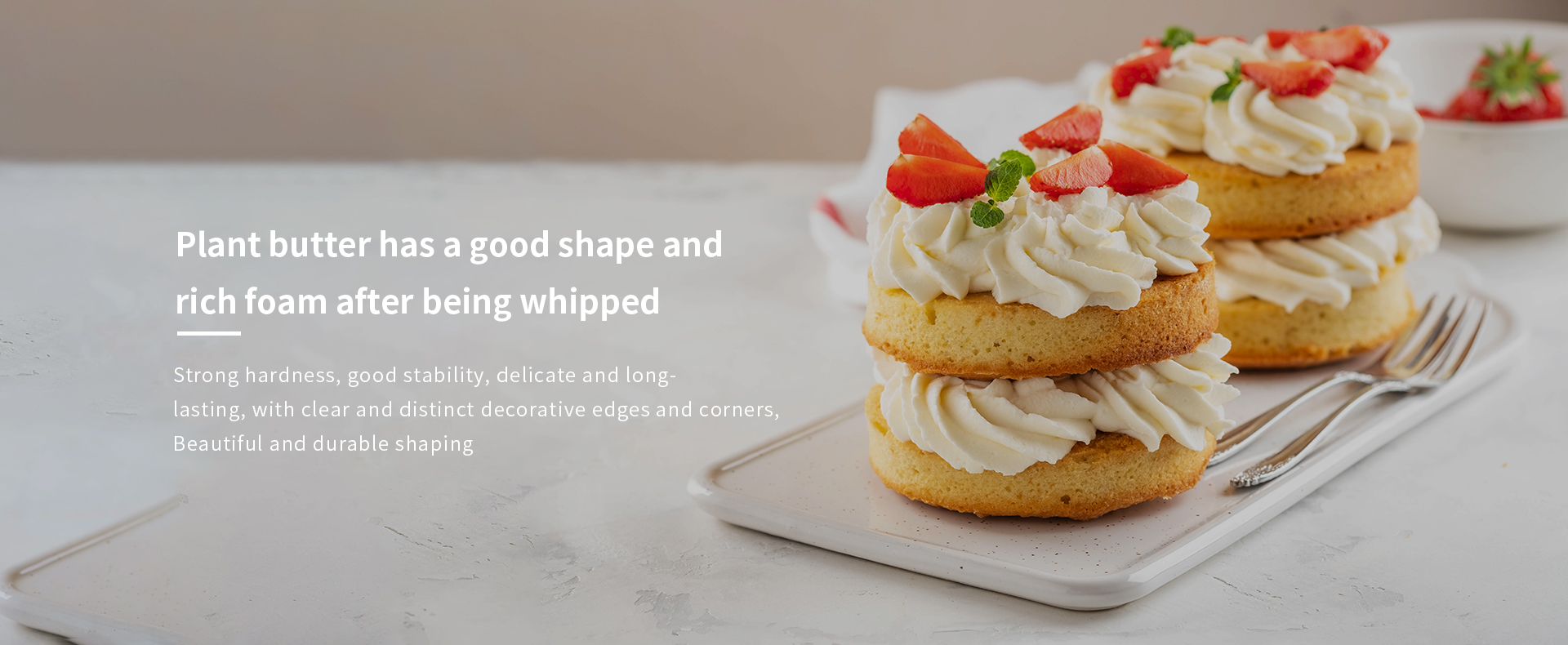
Whipping cream powder

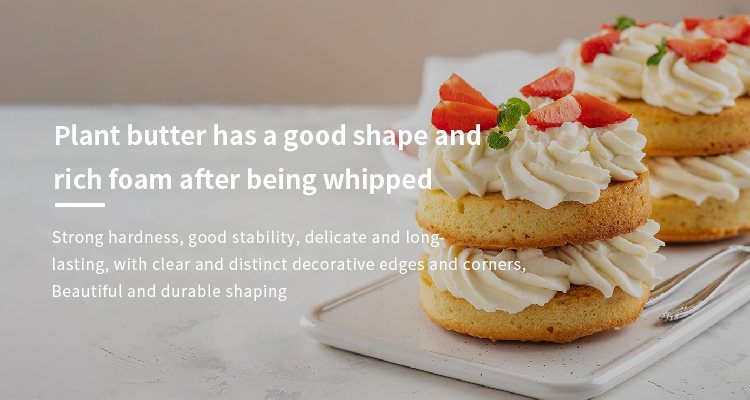
The whipping cream powder has good shape, rich milk foam, st···
View details >>

Non dairy creamer for Cereal and Solid Drinks

Non dairy cream also known as vegetable fat powder, milk rep···
View details >>

Non dairy creamer for Seasoning and Soup

Non dairy cream also known as vegetable fat powder, milk rep···
View details >>

NEWS

Heng Goodwill ,A world-renowned non-dairy creamer supplier

21
2026-04
The New Chocolate Law: Changes Set to Impact Industry and Consumers
This April, the Federal Senate approved landmark legislation that redefines the identity of chocolate in Brazil. The new law alters the minimum percentages of cocoa solids required for each category and mandates unprecedented transparency in labeling. The objective is clear: to combat the "infantilization" of the Brazilian palate—currently saturated with sugar and fat—and to boost the value of domestic cocoa production. While awaiting presidential sanction, the new law has already sounded the alarm: what adaptations will be necessary within the industry?What Changes in Practice?Until now, ANVISA regulations allowed a product containing as little as 25% cocoa to be designated as "chocolate" in Brazil. Under the new law, these requirements are being raised. New parameters will now apply:Milk Chocolate: The minimum rises from 25% to 27% total cocoa solids.Dark Chocolate: Must contain a minimum of 35% total cocoa solids.White Chocolate: The requirement for a minimum of 20% cocoa butter remains in place, but with stricter rules prohibiting the use of substitute vegetable fats in order to retain the "chocolate" designation.Furthermore, the law makes it mandatory to display the exact cocoa percentage on the main face of the packaging, in a legible font size, thereby eliminating consumer uncertainty at the point of purchase.Implications for the IndustryFor large-scale manufacturers, this change goes far beyond mere aesthetics and will necessitate internal adjustments to product development processes.One significant impact concerns costs, given that cocoa is the most expensive ingredient in chocolate. Increasing the minimum content from 25% to 27% (or higher, depending on brand strategy) across a production scale of millions of units represents a substantial financial impact. Companies will need to optimize their supply chains to absorb this cost without passing it on in full to the final price.The change will also require rheological and sensory adjustments, as a higher cocoa content means more solid particles, which alters the viscosity of the mass during manufacturing. Technically, the industry will have to adjust its conching processes—where flavor and texture are developed—to ensure the chocolate does not become excessively astringent or take on a "gritty" texture on the palate.Another key point is that the new law pushes for a reduction in hydrogenated vegetable fats. The challenge will be to maintain that characteristic "melt-in-the-mouth" quality by using a higher proportion of cocoa butter or equivalent vegetable fats (CBEs) that comply with the new purity requirements.Implications for the Consumer: Better Health and InformationFor consumers, this law marks a watershed moment in terms of transparency. The expectation is that it will put an end to the notorious "sugar-tasting chocolate"—a frequent source of complaints among consumers.With the increase in the minimum cocoa content, sugar will no longer be the absolute protagonist in product formulations. Consumers will now have access to a nutritionally superior product, featuring a higher concentration of flavonoids (natural antioxidants found in cocoa).Much like the "magnifying glass" labeling system introduced by ANVISA for fats and sodium, the prominent display of the cocoa percentage will enable quick comparisons. Consumers will be able to decide whether they prefer to pay a little extra for a chocolate with 40% cocoa rather than one with 27%.The long-term trend is that the Brazilian palate will become more discerning, coming to value the complex sensory notes of the cocoa bean over mere extreme sweetness.The Impact on the Production ChainThe enactment of this law serves as a catalyst for the national cocoa farming sector, particularly in the states of Bahia and Pará. As the industry requires a higher volume of cocoa solids to comply with the new regulations, demand for Brazilian cocoa beans is expected to rise. This encourages producers to invest in the quality of fermentation and drying, as the market will be more focused on the “cocoa ingredient” than on the “sugar filler.”Overall, the law marks a milestone of maturity for the Brazilian market. It compels the industry to innovate and deliver a more authentic product, while protecting consumers from misleading advertising.The adaptation period is yet to be defined following presidential sanction, but it is expected to require investments in research and development. The ultimate result will be a more robust, transparent sector aligned with global quality standards.Forwarded by Zhenjiang Heng Goodwill Food Co .,Ltd Sabrina Shen +86 15162996833admxu@hengfood.comwww.hengfood.com
16
2026-04
COFFEE
The coffee market opened trading on Wednesday (15) with mixed performance on international exchanges, reflecting technical adjustments and fundamentals directly linked to Brazil. While Arabica is trading slightly lower in New York, Robusta is rising in London, supported by concerns over short-term coffee availability.Fundamentals remain centered on the Brazilian market. Cecafé data show that cumulative exports for the 2025/26 crop year totaled 29.09 million bags between July and March, a 21.2% decline compared to the same period of the previous season, when 36.91 million bags were shipped. This is the lowest volume for the period since 2022/23.Also according to Cecafé, in March 2026, Brazil exported 3.04 million bags, up 15.4% from February, when shipments totaled 2.63 million. Despite the monthly recovery, the environment remains restrictive, with lower production in the 2025/26 crop and historically low domestic stocks limiting the pace of foreign sales.The Center for Advanced Studies in Applied Economics (Cepea) notes that many producers already have little coffee available from the current crop and, buoyed by the high prices obtained throughout the season, show no rush to sell. This behavior reduces immediate supply and helps support Robusta prices, even as Arabica undergoes a technical correction.According to Cepea, this pattern of subdued exports is expected to persist until the 2026/27 harvest gains momentum, which is anticipated to occur more consistently starting in mid-May. Until then, the market is likely to remain sensitive to sales flows and conditions of the new crop.For Brazilian producers, the opening reinforces a scenario of prices still supported by tight supply, but with occasional fluctuations. Arabica is giving back some of its recent gains, while Robusta continues to find support in limited availability and a cautious marketing stance in Brazil.Announcement:Zhenjiang Heng Goodwill Food Co .,Ltd Promoter:: Sabrina Shen Phone: +86 15162996833Email: admxu@hengfood.comWebsite: www.hengfood.com
14
2026-04
Freeze-Dried Coffee vs Instant Coffee Powder: What’s the Difference and Which to Choose?
1. Introduction○ The popularity of instant coffee products in the global market (convenient, time-saving, suitable for daily life and food industry).○ Two mainstream types: freeze-dried coffee powder and instant coffee powder, many people confuse them.○ Lead to: Heng Goodwill Food produces both high-quality freeze-dried coffee and instant coffee powder, helping you choose the right product.2. What Are Freeze-Dried Coffee and Instant Coffee Powder?○ Freeze-dried coffee powder: Production process (freeze-drying technology, retain original coffee flavor), characteristics (high solubility, pure taste).○ Instant coffee powder: Production process (spray drying technology, efficient and cost-effective), characteristics (good solubility, stable supply).○ Hengfood’s production advantage: Advanced production lines for both technologies, strict raw material selection (high-quality coffee beans).3. Key Differences Between Freeze-Dried Coffee and Instant Coffee Powder○ Flavor: Freeze-dried coffee retains more original coffee aroma; instant coffee has a milder taste, suitable for mass consumption.○ Solubility: Both have good solubility, freeze-dried coffee dissolves faster in cold water.○ Price: Freeze-dried coffee is slightly higher (due to advanced technology); instant coffee is more cost-effective for bulk wholesale.○ Applications: Freeze-dried coffee for high-end drinks, capsule coffee; instant coffee for 3-in-1 coffee, food factories, vending machines.4. How to Choose Between Freeze-Dried Coffee and Instant Coffee Powder?○ For high-end cafes/dessert shops: Choose freeze-dried coffee (pure flavor, improve product grade).○ For food factories/bulk wholesale: Choose instant coffee powder (cost-effective, stable supply).○ For functional beverages: Both are available, Hengfood can provide customized formulas.5. Heng Goodwill Food’s Coffee Powder Products○ Freeze-dried coffee powder: Pure flavor, no additives, ISO/HALAL certified, support bulk wholesale and OEM.○ Instant coffee powder: Rich aroma, smooth taste, adjustable concentration, suitable for mass production.○ Service: Provide samples, technical support, customize packaging and flavor.6. Conclusion○ Summarize the differences and application scenarios of the two coffee powders.○ Call to action: Contact Heng Goodwill Food (www.hengfood.com) to get the right coffee powder solution for your business.Announcement:Zhenjiang Heng Goodwill Food Co .,Ltd Promoter:: Sabrina Shen Phone: +86 15162996833Email: admxu@hengfood.com